Call or Text Us Today! (844) 822-0005


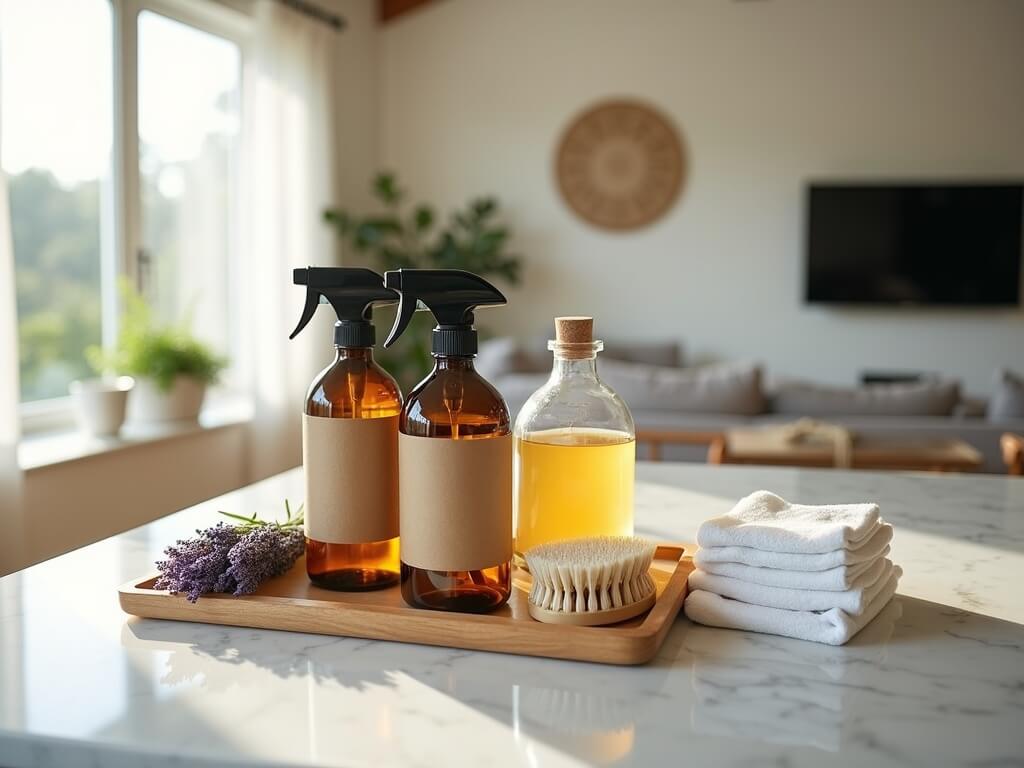
Ever wonder if your cleaning routine is doing more harm than good?
If your home smells like fresh lemons but your eyes are watering and your dog is sneezing, you’re not alone. That’s exactly why so many families in Oregon are ditching harsh cleaning agents and replacing them with a better alternative: Eco-friendly cleaning services backed by green cleaning products.
Let’s break it all down—from how to choose the safest options to what makes these services worth the $80/hour price tag.
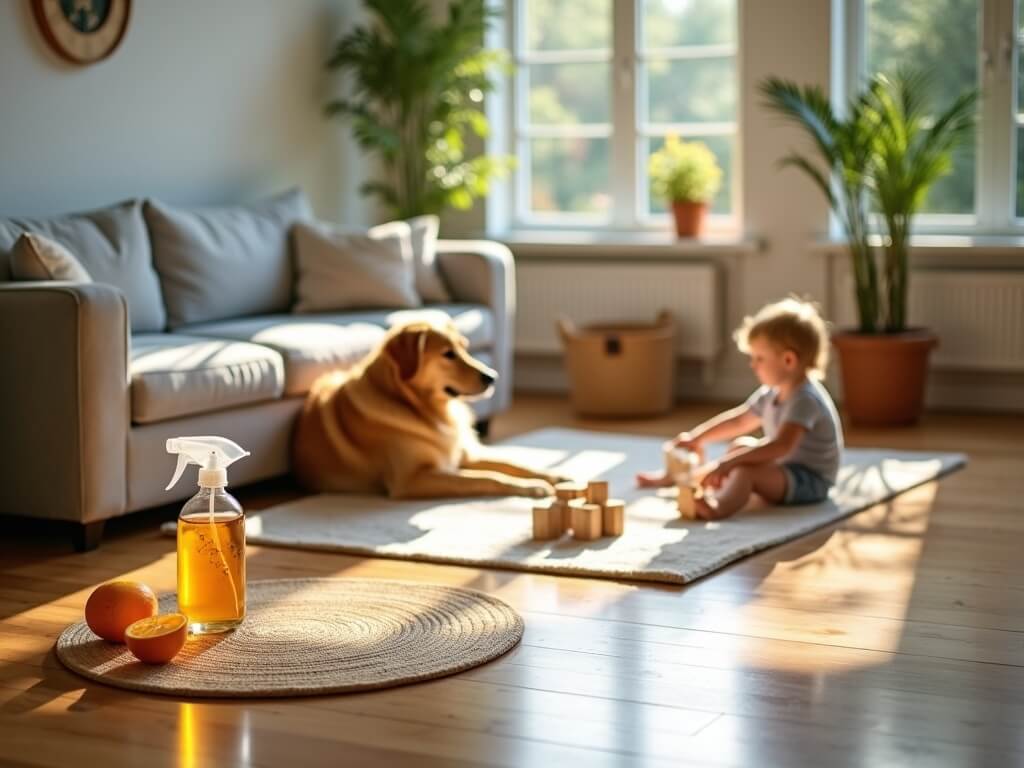
Eco-friendly cleaning isn’t just a checkbox for going “green.” It’s cleaning that actually benefits your home, your health, and the planet—without spraying a cocktail of synthetic chemicals where your toddler plays or your cat lounges.
What makes it eco? Here’s the elevator pitch:
According to the EPA and Oregon Metro, green cleaning products drastically reduce air pollution in the home and prevent toxic runoff into local watersheds. That matters when you live in a state as naturally beautiful as Oregon.
Why should you care as a parent or pet owner?
Because most conventional cleaners leave behind residual chemicals on floors and surfaces. And guess who touches those most?
Kids crawl, pets lick, and their smaller bodies absorb chemicals faster than adults. Plus, their immune and respiratory systems are a lot more fragile. Eco-friendly cleaning services take that into account—and then build the entire cleaning process around it.
Key takeaway: Eco cleaning means protecting your little ones and fur babies, without losing cleaning power.
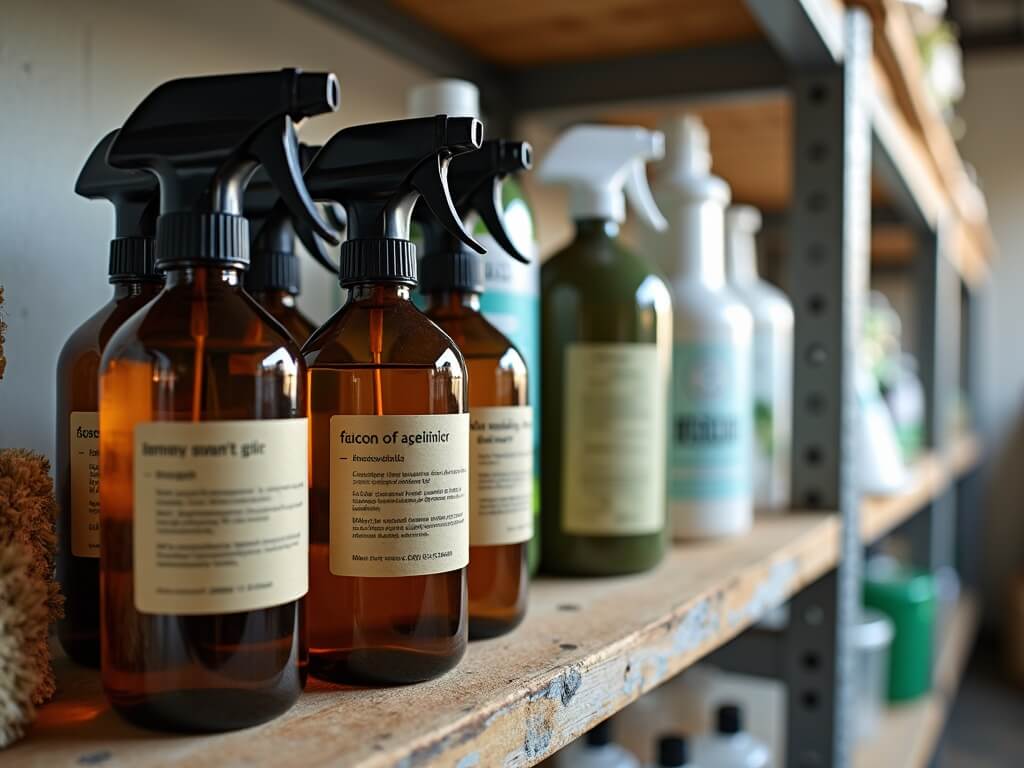
Here’s the part that trips people up: not everything labeled “green” is actually safe.
Some products slap the word “eco” on the bottle, but still include artificial fragrances or throw in a dash of bleach. So knowing how to read a label and spot a fake is your best weapon—and it only takes a few minutes to learn.
What makes a product truly safe?
My rule of thumb when shopping? If you can’t pronounce half the ingredients—and there’s no third-party certification—skip it.
In our green cleaning service here in the Pacific Northwest (https://www.sierrastoptobottomcleaning.com/services/residential-cleaning), we stick to a vetted list of non-toxic brands that align with Oregon standards. That’s something I’m obsessive about. If I wouldn’t feel comfortable using it on my own child’s highchair, it’s not making it into a client’s home.
A few solid go-to product types for any home:
Need a super simple DIY recipe?
Take 1 part white vinegar, 1 part water, 2 drops of castile soap, and 5 drops of lavender or lemon essential oil. Shake it in a spray bottle and you’re good to go for mirrors, counters, and even kids’ toys.
Key takeaway: A label with a leaf icon isn’t enough. Certifications and safe ingredients matter more.
Ask any parent or pet owner what cleaning means, and the answer is usually, “survival.”
The yogurt on the couch. The muddy pawprints on the floor. The mystery goo on the stair railing.
So we clean—a lot. But here’s the real question: Are we cleaning safely?
Most surface sprays and air fresheners release VOCs (volatile organic compounds) that linger in the air. According to the American Lung Association, indoor air pollution can be 2–5 times worse than outdoors. That’s coming from your scrub bucket.
One tip I give every client with pets: Avoid products containing tea tree oil or certain citrus oils. They sound natural, but they’re toxic to dogs and cats.
And don’t forget: Often what you’re cleaning with—scrub brushes, mop heads, sponges—can harbor more bacteria than a toilet seat. I recommend switching to natural tools like coconut fiber dish brushes or unbleached cotton cloths. They’re compostable and actually work better.
Here’s a quick story.
A few years ago, I cleaned a home that had a crawling baby and two indoor cats. Their old cleaner had used chemical-heavy sprays. The baby developed mild eczema that doctors couldn’t quite figure out—and the cats refused to step on the freshly mopped floor. After switching to our vinegar-castile solution and replacing their synthetic air fresheners, the eczema cleared within two weeks. The cats? Back to napping on the hardwood. Not saying cleaning was the cure—but it sure was a trigger.
Key takeaway: Green cleaning practices do more than clean—they help build a safe, breathable space your family can thrive in.
Let’s talk about the elephant in the room—cost.
Yes, eco-friendly cleaning services may cost you $80 per hour. But if that includes customized care, certified-safe products, and pro-level air quality awareness, is it really expensive? Not for what you’re getting.
What most people don’t realize is that these services aren’t one-size-fits-all. Here in Oregon, there’s a full spectrum of green cleaning options:
Plus, green cleaners are often trained to reduce cross-contamination using color-coded tools, HEPA vacuums, and technique—not just stronger chemicals.
A lot of my clients start by asking:
Are green products really as effective?
Short answer: Yes. Most green cleaners rival, and sometimes outperform, traditional products—especially for everyday messes. Don’t expect them to bleach the grout white, but for 90% of jobs, they do more than enough.
Are there hidden trade-offs with green services?
Not many—assuming you pick one that’s legit. You might have to adjust expectations if you’re used to the “hospital bleach smell,” but you’ll be breathing cleaner air in return.
Key takeaway: You’re not just hiring a cleaning crew. You’re investing in the health, safety, and sustainability of your space.
Coming up next, I’ll break down how future trends are pushing eco cleaning even further—plus the Oregon innovation leading the charge. In the meantime, you can check out more about our services here (https://www.sierrastoptobottomcleaning.com/services/residential-cleaning) or explore similar insights on our cleaning services blog (https://www.sierrastoptobottomcleaning.com/blog-posts/home-cleaning-services).
You’d think the future of cleaning was going to be about stronger chemicals or AI-powered robot mops.
Nope.
It’s about smarter, simpler, safer products—and people who actually know what clean means in homes with babies chewing on chair legs and cats lounging on counters.
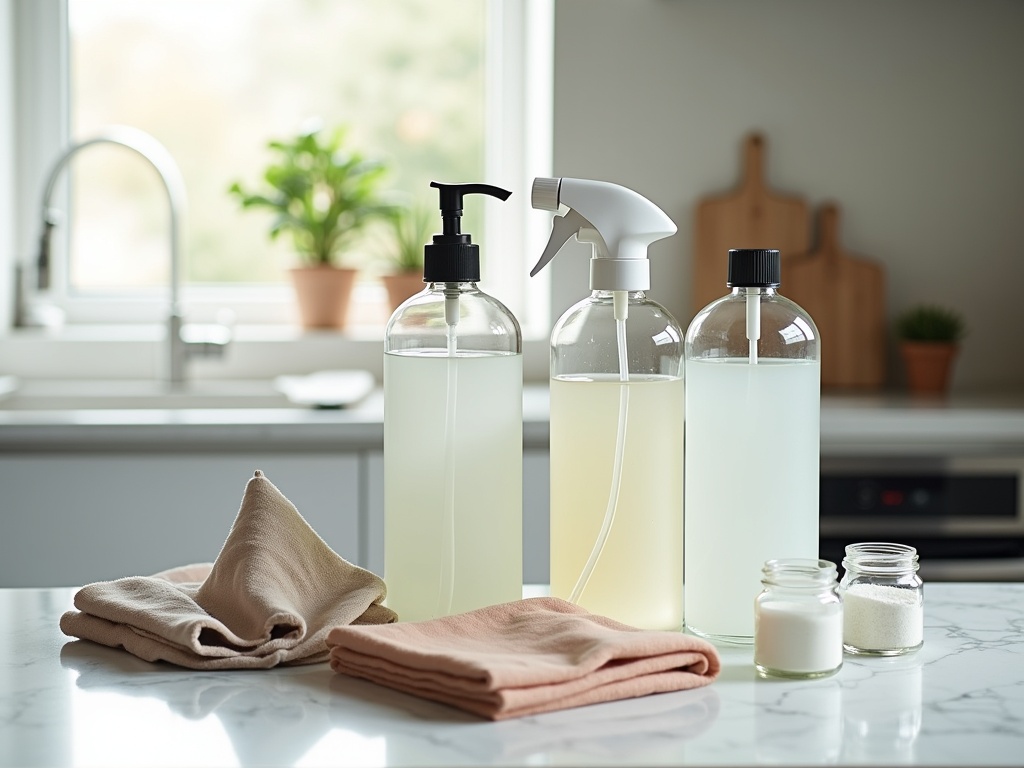
Big cleaning brands are finally paying attention.
Major players like Seventh Generation, Blueland, and Branch Basics are investing in refillable, plastic-free, and enzymatic cleaners.
Translation? We’re heading toward:
The EPA’s Safer Choice Program is expanding, too.
More products are getting certified each year, but more importantly, the bar is getting higher.
Oregon’s taking a leadership role, pushing for greater ingredient transparency and offering consumer education through Metro’s healthy home programs.
Local governments know: when people get sick from indoor pollutants, it becomes a public health cost. Green cleaning is upstream prevention (https://www.healthychildren.org/English/safety-prevention/all-around/Pages/green-cleaning-choosing-products-that-are-safer-for-your-family.aspx).
Key takeaway: The next wave of eco cleaning isn’t just green—it’s smarter, science-backed, and built to last.
Here’s what I’ve noticed—more clients are asking for DIY tips.
They’re not just looking to save money (though that’s a perk). They want control. They want to understand what’s in their bottles and why it works.
Totally valid.
And the truth? You can make a whole arsenal of safe, effective cleaners with stuff in your pantry.
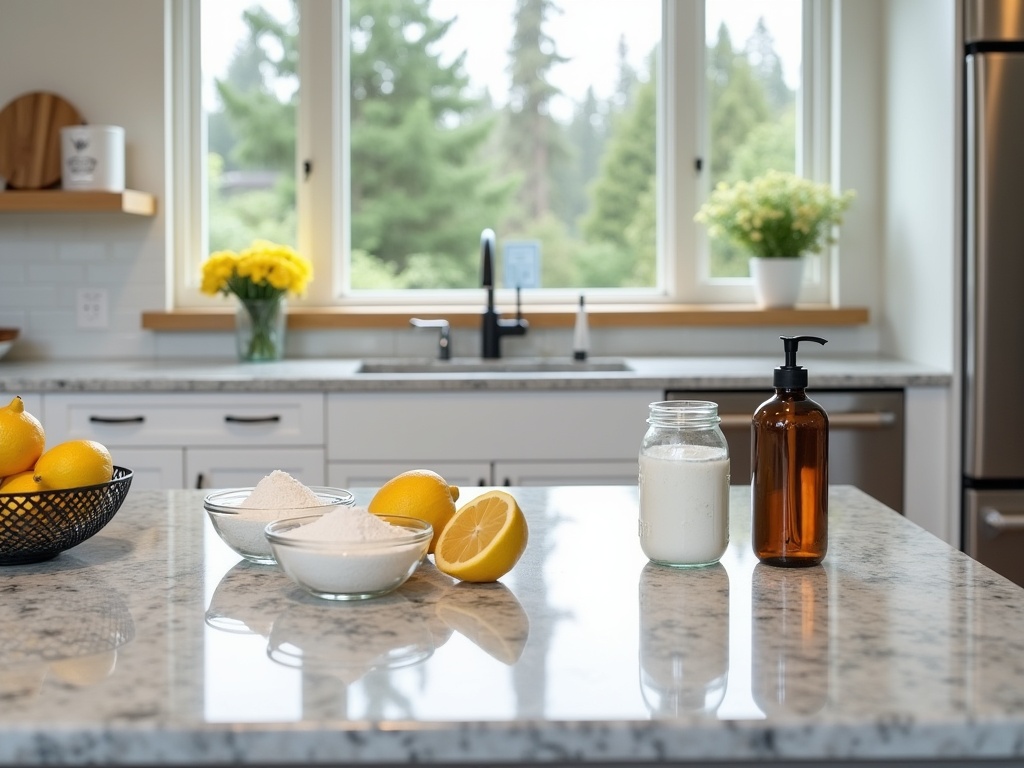
My all-time favorite starter kit for DIY green cleaning:
But beware: not all DIY advice online is safe.
For example, that viral TikTok hack of mixing vinegar with Castile soap? Bad idea. The vinegar unsaponifies the soap and leaves a greasy mess.
The same goes for spraying essential oils liberally around cats—especially eucalyptus, tea tree, and some citruses. Some pets can experience tremors, vomiting, or worse (https://www.petmd.com/dog/pet-lover/green-cleaning-products-are-safe-pets).
Always test recipes in a small area. Vinegar should never touch granite, marble, or stone—it’ll etch permanently.
Want an easy upgrade?
Try microfiber cloths. They pick up 99% of bacteria with just water (verified by multiple health agencies) and last way longer than paper towels. Just wash them separately to keep them lint-free.
Key takeaway: DIY green cleaning is budget-friendly and empowering—if you follow science, not Pinterest.
Green cleaning doesn’t exist in a vacuum—at least not in Oregon.
We’re lucky. Oregon Metro, Multnomah County, and the Oregon Health Authority have all invested in safer cleaning education and regulation awareness.
If you’re not using these free tools yet, you’re missing out:
Even landlords and real estate managers are jumping in—especially in buildings aiming for LEED or WELL certifications.
I once worked with a Portland-based preschool that required fragrance-free, certified cleaners because of sensitive kids.
They paid more—but ended up reducing staff sick days by 30% in one year.
That’s the thing.
When you clean smart, you’re not just protecting kids and pets—you’re building healthier human spaces, period.
Key takeaway: Oregon isn’t just green in scenery—it’s green in how we live. Use those local tools.
Totally normal. People have questions. Let's knock out the big ones.
"Are green products strong enough to clean up kid-level messes?"
Yes. For everyday spills, smudges, sticky handrails, and muddy floors? 100%. The exception is disinfecting during illnesses—that’s when targeted, EPA-approved products (think hydrogen peroxide) matter most.
"I’m worried about cost. Is it worth $80/hour?"
Here’s the deal.
If your cleaner brings their own vetted, kid-safe products, uses color-coded tools to avoid contamination, and actually understands how to protect pets? That’s not just mopping. That’s risk reduction. That’s air quality improvement. That’s knowledge.
It's not $80 for scrubbing—it’s $80 for peace of mind.
"I can do it myself cheaper. Why hire someone?"
You absolutely can do it yourself, and we support that! But if time, mobility, or stress are factors—or you just want an eco-conscious pro to train your routines—we’re here to help.
We’re not cleaning for you. We’re creating a system so you can breathe easy.
Key takeaway: Ask all the hard questions. The right green cleaning service (https://www.sierrastoptobottomcleaning.com/services/residential-cleaning-puyallup) should have clear, honest answers.
If you’ve made it this far, you’re serious about rethinking your cleaning game.
And I’ve got great news—it’s doable.
Whether you:
You’re taking a meaningful step.
Cleaner indoor air, healthier kids and pets, less plastic waste. It all starts with what you wipe your counters with.
If you’re in Oregon and looking for help from a team that’s walked this talk for years—and literally baby-tested most of these products—we’re here.
Call or text: 253-449-6100
Email: sierrastoptobottomcleaning@gmail.com
Let’s make your home the cleanest—and safest—it’s ever been.
And remember: eco-friendly cleaning services aren’t just a luxury.
They’re a necessity for families who care about long-term health, inside and out.
That’s the real value behind an eco-friendly cleaning service in Oregon (https://www.sierrastoptobottomcleaning.com/services/deep-cleaning).
