Call or Text Us Today! (844) 822-0005


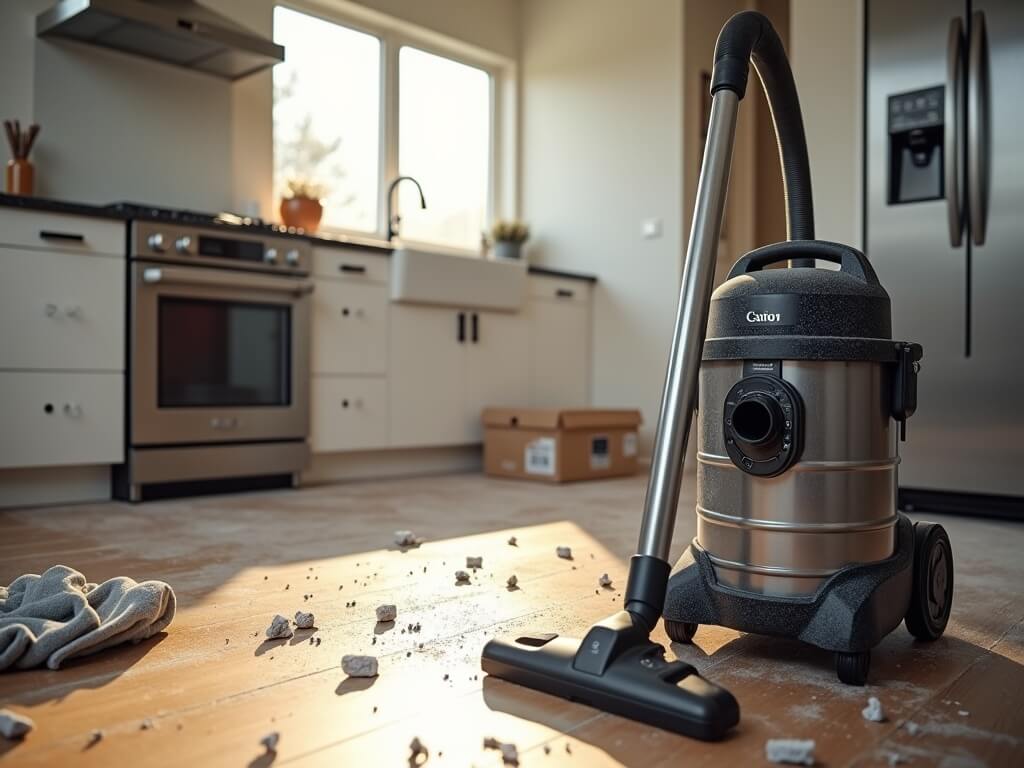
Let’s be honest—most people think once the hammers stop swinging and the last coat of paint dries, the hard part is over.
It's not.
If you’ve ever walked into a space right after a remodel expecting to bask in your finished project, only to cough your way through drywall dust and find paint smudges on your new floor, you already know this truth:
Post-renovation cleaning isn’t optional—it’s essential.
And in Federal Way, where I’ve done dozens of deep cleans following everything from bathroom upgrades to full-scale additions, I can tell you this: giving your space a proper “after build” scrub changes everything.
The air feels cleaner.
The surfaces shine.
It actually feels like yours again.
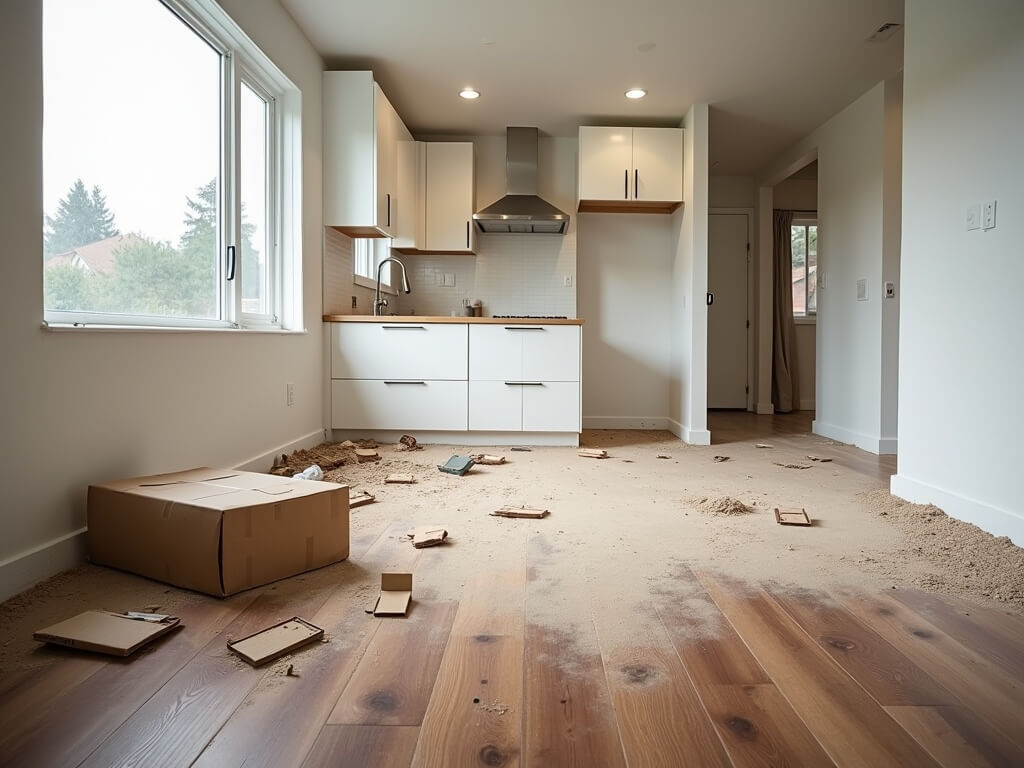
Construction leaves a mess.
And not just smudges and sawdust.
We’re talking microscopic particles embedded in air ducts, residue hardened on window frames, and film on your hardwood that wasn’t there yesterday.
Here’s why that matters:
Think of post-renovation cleaning as a last, critical layer of protection for your investment.
And it's not just for big commercial jobs.
Even a kitchen backsplash replacement will stir up unwanted dust.
Your home deserves a proper reset.
We break it down into phases—because trying to “speed-clean” after construction is like rinsing mud off with a paper towel.
It won’t work.
This starts right after the last contractor leaves.
It’s like prepping a canvas before you start painting.
You can't deep-clean if you're still stepping over sawdust piles.
Now we zone in.
Pro tip: Dust travels. Always work top to bottom so it doesn’t resettle.
This is the money round. The one that makes you walk in and say “Wow.”
Each project in Federal Way gets its own checklist. I’ve cleaned 700-square-foot condos and 5,000-square-foot homes, and the principle is the same: meticulous, tailored results.
Let’s talk about the elephant in the room.
Is it worth paying $80 an hour for a professional crew to clean something you “could do yourself”?
I’ll break it down with a quick story.
A client once called me after spending her weekend knee-deep in drywall dust with a roll of paper towels and a Shop-Vac.
She clocked over 25 hours scrubbing her 2-bed home after a minor renovation.
When she called us in, we found dust hiding in her HVAC grilles, behind her fridge, inside her light fixtures—areas she just didn’t realize could harbor particles.
With the right tools, our crew wrapped the job in under 7 hours.
Here’s the reality:
If you’ve got the:
Otherwise, you’re delaying move-in, risking damage, and compromising air quality.
What you’re paying for with a pro?
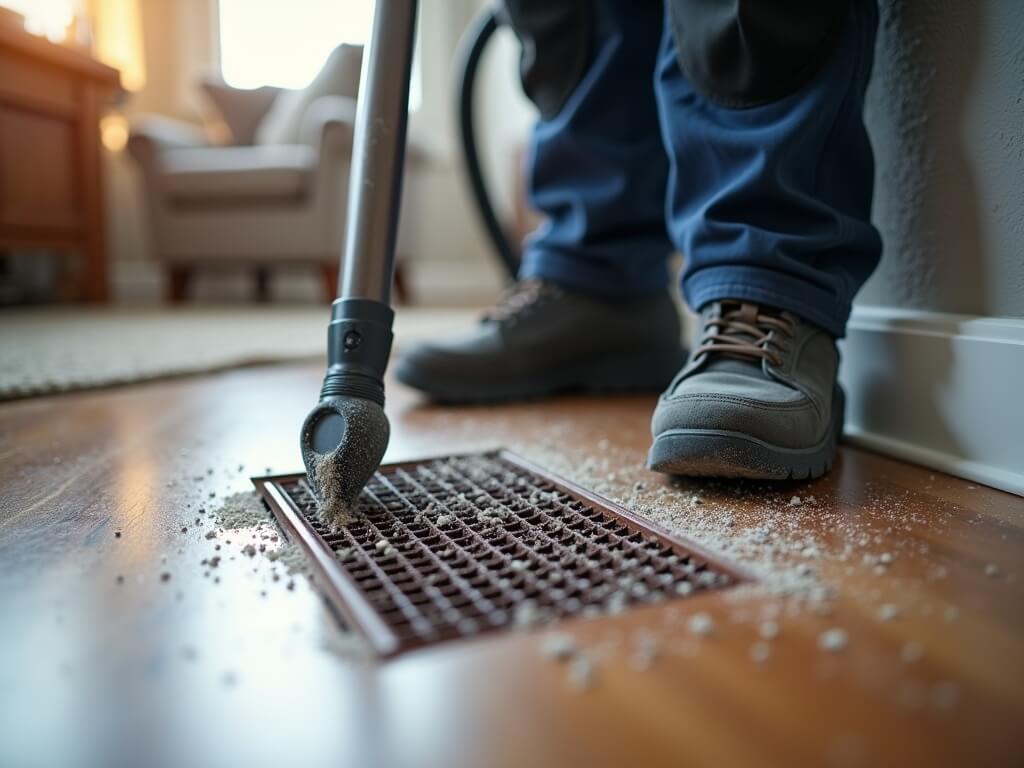
We’ve found razor blades inside vent covers, mold growth from leftover drywall paste, and actual nails under fresh carpet.
Cleaning after construction is an expertise, not just elbow grease.
Every property is different.
A commercial remodel won’t have the same needs as a bathroom upgrade in an older Federal Way bungalow.
Here’s what goes into our process:
Bottom line?
A cookie-cutter service will miss critical zones or use the wrong products.
A custom post-renovation cleaning plan keeps your surfaces safe, the air breathable, and the schedule realistic.
Let’s shift gears.
Dust isn’t just unsightly.
It lives in your lungs.
Construction dust is made up of everything from crushed tile and sawed MDF to insulation fibers and even silica from concrete.
Some of it stays in the air for days—or longer.
Some settles inside your vents, where it keeps cycling through your house every time the heat or AC kicks on.
Think this is exaggerated?
One U.S. EPA report found that indoor air can be 2 to 5 times more polluted than outdoor air after construction finishes.
And that assumes your HVAC system wasn’t left uncovered during work.
That fine white coat on your TV? It’s also inside your body.
Here’s what a real dust elimination service includes—beyond the Swiffer dance:
Plus: Eco-friendly, no-residue cleaning supplies that respect your surfaces and your lungs.
Even better?
We set up safe airflow systems (and file-based fans) during deep cleans to guide dust out the door—not just into another room.
Every space has hidden zones. We find them all.
Up next: what most people get wrong about how long to wait before you clean—and the key mistake that drags dust back in every time.
Most people think: “Once the dust falls, I’ll wipe it up and be done.”
But here’s the kicker—dust doesn’t follow your schedule.
It settles in stages, depending on particle size, air flow, and, surprisingly, your humidity levels.
So what happens if you clean too soon?
You’re basically inviting more dust to resettle on those freshly wiped counters.
And now you’ve doubled your work.
Through trial, error, and over 13 years of post-construction cleaning in Federal Way, we’ve found the sweet spot:
Wait 24–48 hours after the last hammer drops before your deep clean.
Why?
One client of mine—a real estate agent prepping a flip—cleaned the day his contractors finished.
Then he staged the home.
Next day? Every surface had a light film of dust.
He called us in. We waited 36 hours, then cleaned top to bottom.
No resettling. Zero callbacks.
Tip: If you’re in a rush, use air scrubbers or high-powered fans vented out the window. But be strategic—moving too much air just spreads debris faster if you're not controlling the output.
Moral of the story?
Let the dust settle. Once. Then hit it hard with the right tools.
Learn more about how long construction dust takes to settle.
Spoiler: it’s not a 2-hour sweep.
Even a modest 1,500-square-foot home can take 6–10 hours for a full-scale, professional-grade clean.
Craftsman remodels with detailed trim? Add time.
Open-plan spaces with vaulted ceilings? More ladders, more hours.
Here’s what dictates your timeline:
We average 1 cleaner per 600–1,000 sq ft for post-construction jobs.
So a 2,000 sq ft home? Two cleaners, 6–8 hours.
Need it faster? We increase the crew, not cut corners.
By contrast, a DIY effort can stretch 20–30 hours over multiple weekends.
Still think it’s faster to do it yourself?
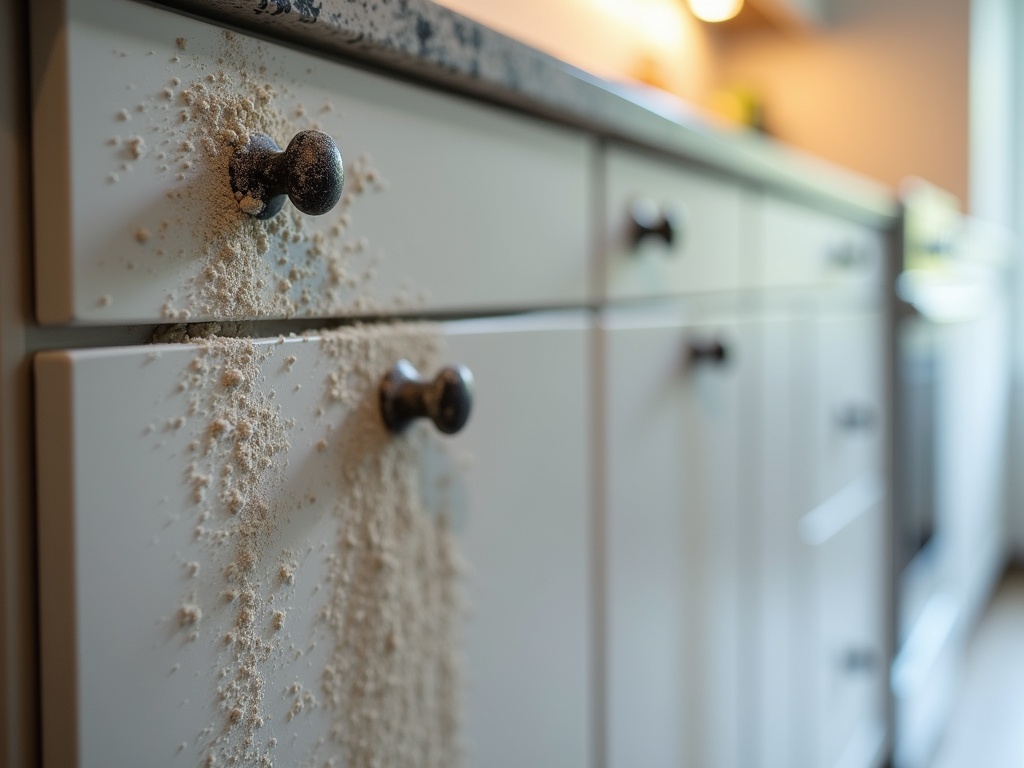
Let me clear something up.
Your contractor’s “final clean” isn’t your move-in clean.
That’s a huge misconception.
Most construction crews sweep, vacuum, and haul debris—but they’re not detail cleaners.
They:
You’d be amazed how often we find smears of caulk, paint overspray, or sticky residue days after a project's “done.”
Our job is to bridge the gap from “construction complete” to “living comfortably.”
And that means understanding the true depth of post-reno cleaning.
For a thorough process, use a step-by-step deep cleaning guide after renovation.
Here’s what I’ll say:
If you think hiring pros is expensive, try inhaling sheetrock dust for two months because your HVAC system wasn’t cleaned.
Or spending $400 replacing filters, repainting baseboards, and resurfacing floors scratched by grit you didn’t see coming.
Our rate is $80/hour.
That’s not a guess—it’s based on:
In fact, we cap many standard home remodels at around $600–$900 total.
Now consider your time.
Let’s say it takes you 25 hours to DIY.
At even $20/hour of your personal time, that’s $500 just in labor—and that doesn’t include supplies.
We bring hundreds in tools, from pole vacuums to HEPA-certified machines.
My advice?
Do the math before you dive into a 3-day, back-breaking, tool-melting weekend project.
Your lungs—and your time—are worth protecting.
I’m not here to upsell you on what you can do safely on your own.
But if you’re facing any of the following?
Get a quote. It might save you way more than it costs:
One client hired us after cleaning for three days straight. Her words?
“I feel like I cleaned the surface. You cleared the air.”
Exactly.
Lingering dust impacts more than what you see—it affects how you feel.
You’ve waited 48 hours.
Now it’s go time.
Whether DIY or hiring pros, this is your move-in checklist:
Pro tip: Keep microfiber cloths on hand after your initial clean. Until your HVAC system fully cycles, you'll likely have minor resettling for another 48–72 hours.
Want a shortcut?
Call 253-449-6100 or email sierrastoptobottomcleaning@gmail.com.
We’ll handle the checklist—so you can get back to living in your freshly finished space.
Federal Way is full of stunning renovations right now.
From backyard ADUs to crisp modern kitchens, our city is transforming.
But clean air, safe surfaces, and polished finishes don’t happen by accident.
Dust doesn’t care how high-end your remodel is.
It only leaves when you make it leave.
So whether you’re prepping for a move, staging to sell, or just want to breathe easy—invest in doing your post-renovation cleaning right.
It’s the final step in turning your renovation from construction zone... into home.
And when it counts most?
Let the pros at Sierra’s Top to Bottom Cleaning deliver your Federal Way post-renovation cleaning with precision, passion, and the pride only 5-star-rated crews can bring.
