Call or Text Us Today! (844) 822-0005


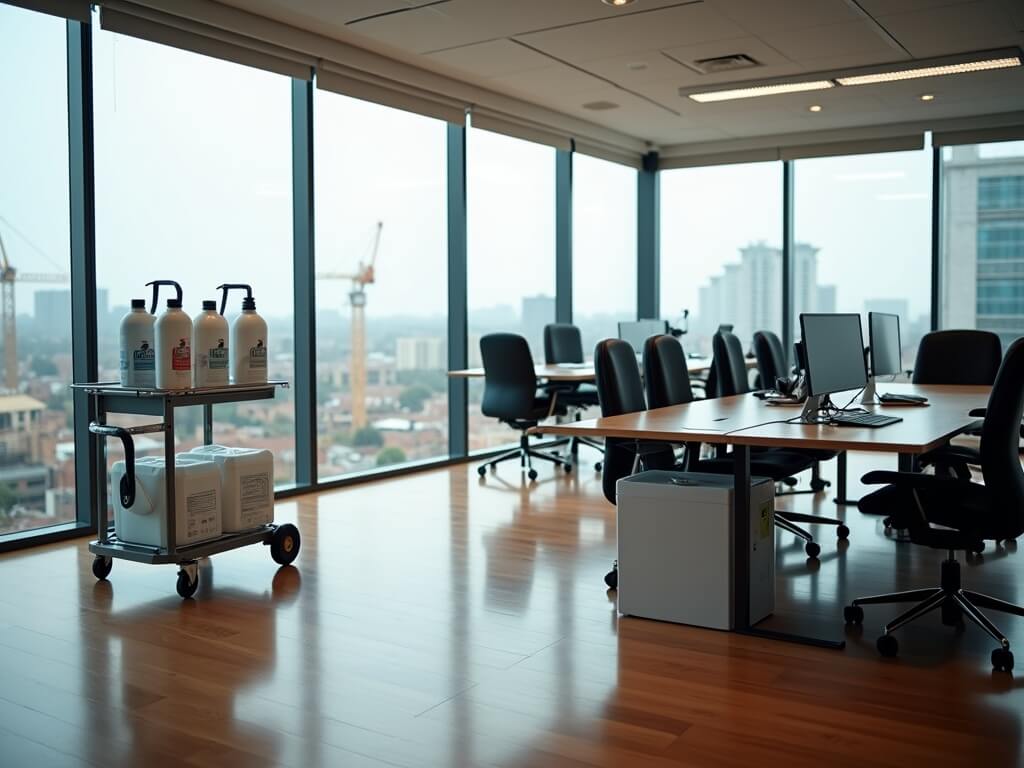
Been wondering if hiring a commercial cleaning company is really worth the cost? Or if it’s just another overhead that won’t show real ROI?
Here’s the short version: ignoring office cleanliness hurts your people—and your bottom line.
And the truth is, most offices in Kenya don’t meet the basic hygiene standards employees silently expect.
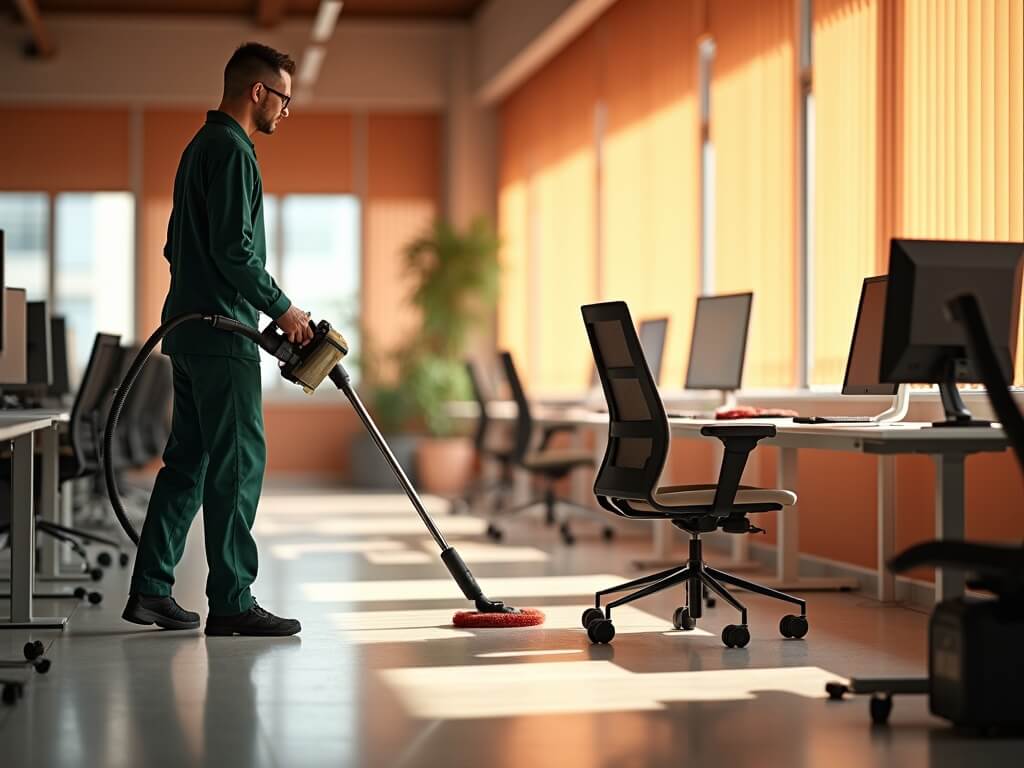
A commercial cleaning company does a whole lot more than emptying trash bins and vacuuming a few carpets.
It’s a professional service delivering consistent, deep-level maintenance to office environments. This includes:
And in uniquely Kenyan contexts, that cleaning requires more thought.
For instance, Nairobi offices deal with high levels of dust due to unpaved roadways, nearby construction, and windy dry seasons. I once walked into a client’s high-end office with polished floors, but the blinds were literally coated with red dust. Definitely not something a once-a-week wipe could solve.
That’s where customized cleaning protocols tailored for local climate and infrastructure matter—a lot.
You can’t use a copy-paste routine from a New York office in downtown Nairobi and expect it to work.
Local regulations also guide what chemicals and procedures commercial cleaners can use—especially in shared properties and corporate towers where safety and ventilation vary.
The takeaway? When choosing a commercial janitorial partner, local expertise isn’t optional—it’s essential.
We’ve all had that colleague who “just has the sniffles” and shows up anyway.
But here’s the math: one infected employee in a shared space can infect up to five others directly or indirectly within 48 hours.
Disinfection protocols are what stop that chain reaction cold.
And yet? Many offices only clean surfaces once or twice a week—barely doing enough to prevent smell, let alone viruses.
These are often cleaned last (or not at all), when they should come first.
You can wipe all day and not kill bacteria if you're doing it wrong.
For every disinfecting procedure, here’s what matters most:
Spraying and wiping immediately does nothing. It's equivalent to putting water on fire and walking away without checking.
Here's how to time disinfection schedules:
During flu seasons or after any outbreak alert (like COVID or cholera), daily to multiple-times-per-day disinfection is the only safe route.
One client in Westlands started upping kitchen disinfecting routines from once a week to every morning after someone on their floor got sick. Not only did workplace illness drop, but employees started commenting on how they felt “safer” in the office—and oddly, coffee breaks became more social again.
Small impact? Try losing 10% of your staff to preventable illness and see what that costs.
Manual spray bottles and mops can only do so much.
More companies are adding:
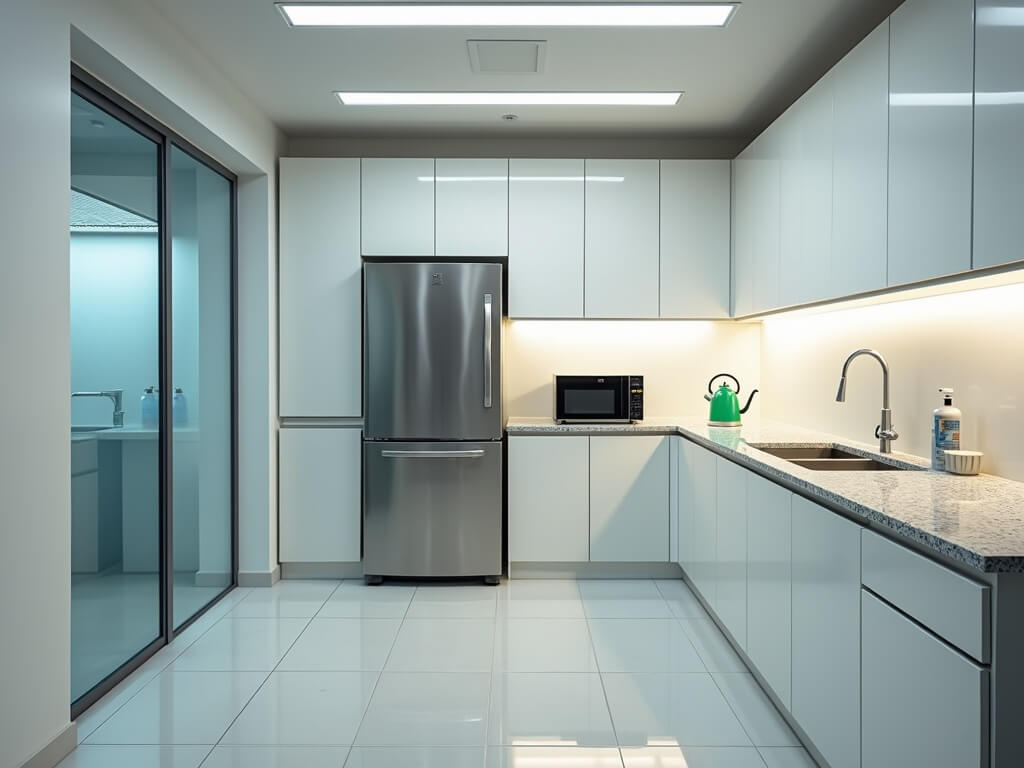
Using tech isn’t just “nice to have”—it ensures consistency, reduces human error, and cuts down time ($80/hour matters, after all).
Key takeaway before we move on:
If your cleaning plan doesn’t include targeted disinfection, it’s just making things smell better—not safer.
You want your team showing up, focused, firing on all cylinders?
Then the foundation has to be clean air, clean desks, and clean shared areas.
Here’s what happens when that’s neglected:
You think germ control is just hype until somebody in finance wipes out a quarter’s worth of accounting because they worked through norovirus.
Regular cleaning and disinfection reduce pathogen spread by 30% to 40%, according to CDC data.
That’s not fluff—that’s a third fewer illnesses.
In practical terms:
You’re not just cleaning surfaces—you’re protecting breathing, digestion, and immunity.
And in Kenya, where power outages can affect fridge food storage and air circulation, these risks multiply.
Let’s talk air quality, because it’s overlooked.
About 40% of indoor air pollutants come from office materials (carpets, plastics, electronics). If there's no regular dusting, vacuuming, and filter cleaning?
People are breathing that all day.
When I helped schedule deep cleans for a call center based in Kilimani, their absenteeism and hot-desk complaints dropped significantly.
Their team manager mentioned staff were “less paranoid about getting sick” and meetings were easier to run. Sometimes, health improvements are invisible—until they stop costing you time and money.
There’s a memetic weight to walking into a sticky elevator or a bathroom with a bin that hasn’t been emptied.
People feel it deep in their nervous systems.
Clean spaces boost dopamine, reduce cortisol, and increase a sense of control—especially important in high-stress industries.
And yes, studies back it:
Think open offices are the problem? Sometimes it’s just the chaos on the desk.
Also, when workers feel the company invests in their environment, it builds loyalty. “They care about how I feel here” is a reason to stay.
Let’s wrap this half with a simple point:
Clean environments lead to healthy, focused, loyal teams.
And that’s what pays dividends.
Let’s keep digging in. The second half will show how to systemize cleaning schedules, choose eco-friendly solutions, and address those leftover FAQs that drive people crazy.
If you've made it this far, it's clear you're not looking for surface-level sparkle.
You want performance-grade hygiene systems that give your people a reason to show up—and thrive.
Here’s how smart companies in Kenya are building cleaning routines that stick (and scale): https://www.sierrastoptobottomcleaning.com/services/commercial-cleaning
Use a physical checklist—laminated and hung up back-of-house with tick boxes.
Not digital, not buried in a file, but visibly there.
Why? Visibility drives accountability.
1. Daily must-do’s:
2. Weekly deep-dives:
3. Monthly hygiene reset:
Set reminders. Use Google Calendar. Tell your cleaning partner to automate reports.
Your consistency is your real disinfection strategy.
When Nairobi air turns dusty or rains trigger mold risks in Kisumu offices?
Adjust accordingly. Cleaning isn’t static—neither is nature.
My Nakuru client found out the hard way when their client conference room started hosting ants mid-January. Turns out December’s forgotten cookie crumbs under the skirting boards were a pest buffet.
Lesson learned.
Key takeaway? If cleaning isn’t scheduled, it isn’t happening.
Modern employees are watching what you clean with.
Using harsh bleach blends with strong chemical smells?
That’s a PR problem inside your own breakroom.
More companies are now asking their providers for:
In Kenya, where warm climates make indoor odor noticeable fast, using low-tox solutions is a game-changer.
I once toured a coworking hub in Westlands where clients openly complained about the smell of ammonia in the restrooms. Teams started holding remote meetings just to avoid the space.
That’s not just an eco issue. That’s a business issue.
Green cleaning (https://pmc.ncbi.nlm.nih.gov/articles/PMC10044567/) isn’t about going soft—it’s about cleaning smart without harming your employees’ lungs or your meeting vibes.
End result? Better indoor air. Calmer employees. Happier HR.
And you look like a savvy, forward-thinking company. Because you are.
Let’s talk tools.
You wouldn’t rely on a Pentium II laptop to run your inventory.
So stop relying on a mop and bucket system for your entire office hygiene protocol.
The tech stack for a clean, safe workplace includes:
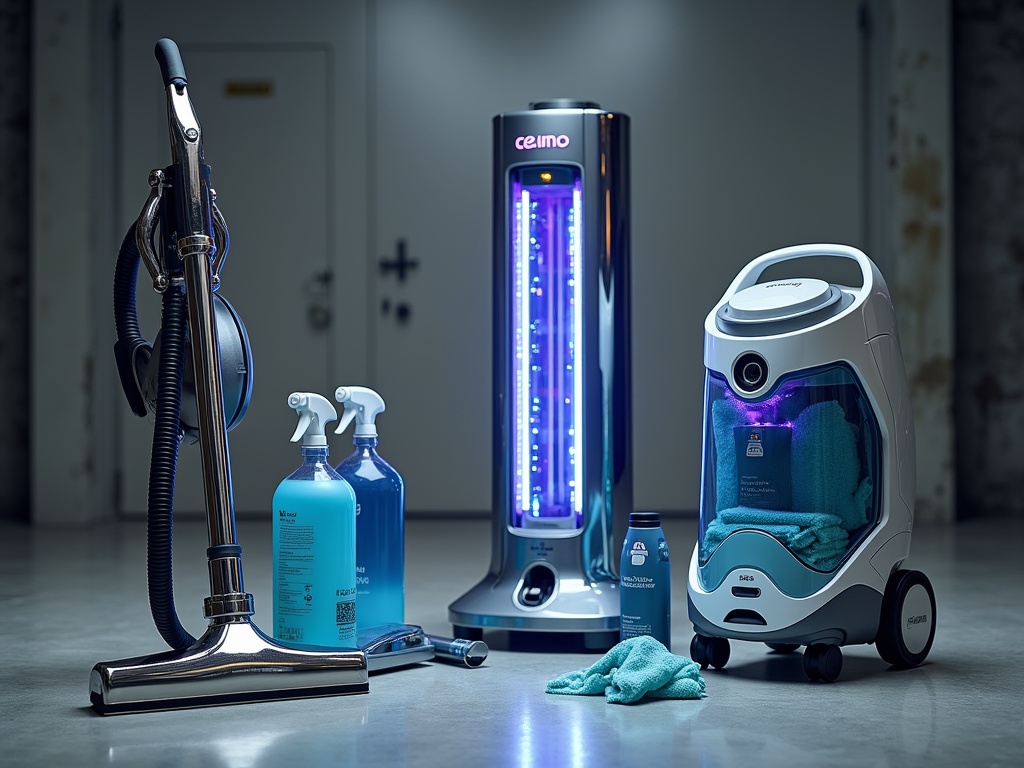
One client in Karen implemented motion-sensor air purifiers in meeting rooms.
After a month, they noticed fewer headaches and respiratory complaints logged at the receptionist’s desk.
Simple tech = tangible results.
Bonus: sensors and real-time cleaning logs can be integrated via apps like CleanTelligent or Sweepy to notify you when a room was last sanitized.
You get transparency. Your staff gets peace of mind.
Win-win.
Pro tip: Ask your cleaner to give you a monthly tech audit.
If they don’t know what electrostatic sprayers are, you may want to reassess.
Let’s set the record straight—cleaning is a skilled trade.
It’s science-plus-habit.
A properly trained cleaning staff:
If your outsourced cleaning company can’t verify training certifications or show you their protocol handbook (https://www.sierrastoptobottomcleaning.com/services/deep-cleaning)?
That’s a liability.
Top companies require:
And this isn’t just for your cleaning staff.
Educate your internal team, too.
A 10-minute onboarding video can cover:
When everyone knows their role, your workplace stays cleaner longer—for less money.
The cleanest offices aren’t just mopped—they’re coached.
COVID changed the standard forever.
What once counted as “clean enough” won’t fly now.
Today’s employee wants to know:
Being vague is a trust killer.
Here’s how modern offices build that trust fast:
1. Make your cleaning protocol visible
2. Post outbreak-response procedures clearly
3. Add hygiene ambassadors
CDC Guidelines for Office Cleaning (https://www.cdc.gov/hygiene/about/when-and-how-to-clean-and-disinfect-a-facility.html) matter more than ever.
No plan? No presence.
Remote becomes the fallback.
And office culture? It erodes.
How much does this cost?
Expect to pay Ksh 8,000 to Ksh 15,000 per cleaning session depending on square footage, frequency, and services.
Or about $80/hour for full-service professional cleaning (https://www.sierrastoptobottomcleaning.com/services) (including equipment, chemicals, staffing).
How do I know the products are safe?
You request the SDS (Safety Data Sheets) from your cleaning vendor.
Also check for:
What if my cleaning company always misses spots?
Fire them.
Or retrain them—with checklists, inspections, and accountability (https://www.sierrastoptobottomcleaning.com/blog-posts/home-cleaning-services).
How do I get management to take cleaning seriously?
Tie it to money.
Lost productivity = lost revenue.
For every 10 employees out sick, you’re down an entire department.
Clean workspace equals optimized workforce (https://www.sierrastoptobottomcleaning.com/services/residential-cleaning).
You’re not just fighting dust and germs.
You’re building trust, productivity, and loyalty—one wipe at a time.
The most competitive teams in Kenya today aren’t just better trained.
They’re cleaner, healthier, and better positioned to handle disruption.
From Westlands skyscrapers to Kisumu branch offices, one fact always holds:
When you take cleaning seriously, your employees take your company seriously.
Ready to upgrade your cleaning? Call 253-449-6100 or email sierrastoptobottomcleaning@gmail.com today.
Because your team deserves more than dirt.
They deserve a commercial cleaning company (https://www.sierrastoptobottomcleaning.com/services/commercial-cleaning) that works as hard as they do.
