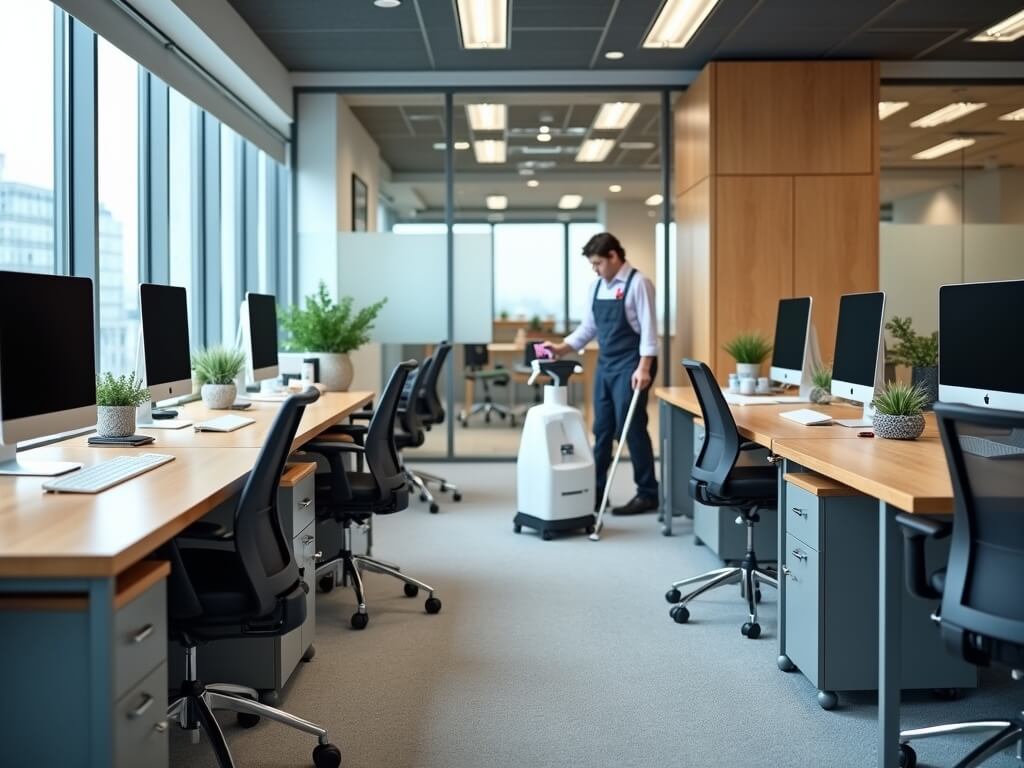
cleaning service

Small Office Cleaning: Meeting Business Hygiene Standards and OSHA Compliance

When it comes to small office cleaning, let's be honest—most business owners don’t think about it until something starts to smell off or someone sends out a passive-aggressive email about the breakroom sink.

But here’s the truth: a clean office isn’t a bonus. It’s a baseline.

Workplace hygiene directly impacts employee health, company reputation, and legal compliance. In fact, offices that stick to high cleanliness standards report up to a 20% drop in employee sick days. That’s not just good for morale—it’s good for the bottom line.
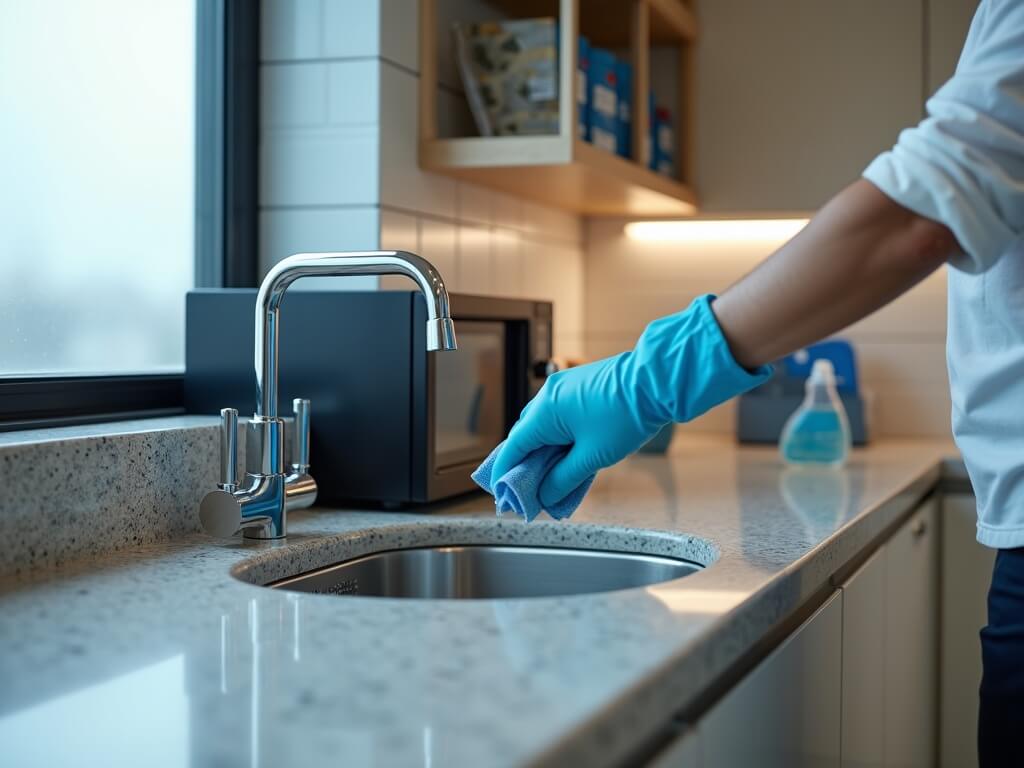

Hand sanitizing a stainless steel sink in a modern office breakroom during cleaning, microwave open with steam-sanitizer nearby, crumbs and coffee spots on granite counter, drying rack and cubbies in blurred background.

The Importance of Small Office Cleaning (Even If You Think You’re “Pretty Clean”)

If employees are surrounded by dust, dirty restrooms, and sticky keyboards, their focus drops. So does retention—because no one wants to work in a space that feels neglected.

Here’s what proper small office cleaning actually does:

  • Promotes employee health by reducing exposure to bacteria and allergens
  • Boosts productivity and mental clarity by cutting down on visual clutter
  • Helps you stay compliant with OSHA and local health codes (yes, even small offices need to comply)
  • Makes a pro-level impression on customers, clients, and vendors

Quick story—last fall, I walked into a tech startup’s office for an estimate. Great logo, fancy espresso machine... but the bathroom was a horror story. Soap dispenser empty. Toilet paper gone. Trash cans were overflowing. The first thing I thought? If they treat their space like that, how are they treating their clients’ data?

The takeaway: Dirty offices make loud impressions—and not in your favor.

What’s Actually Included in Small Office Cleaning?

There’s a big difference between wiping down a counter and properly cleaning a space.

Effective office cleaning should hit every zone where bacteria builds up, where people interact, and where food or trash accumulates.

Here’s the usual breakdown:

Daily tasks:
  • Empty trash cans
  • Vacuum or mop flooring in entryways and common areas
  • Wipe down high-touch surfaces like door handles, switches, phones, and keyboards
  • Clean and restock restrooms
  • Sanitize kitchen counters, sinks, and appliances
Weekly tasks:
  • Deep-scrub restrooms
  • Dust high surfaces like light fixtures, vents, and baseboards
  • Clean windows and mirror glass
  • Sanitize breakroom appliances inside and out
Monthly or scheduled deep cleaning:
  • Shampoo carpets or sanitize tile grout
  • Detail HVAC vents and dust hidden zones
  • Disinfect upholstery and communal spaces

If your current setup only involves someone vacuuming and running a Lysol wipe over a table, you’re missing the real value.

New Trends You Should Know About (Because This Isn’t 2001 Anymore)

Post-pandemic, cleaning expectations leveled up.

You’re not only cleaning for appearance anymore—hygiene and disinfection are part of corporate liability now.

Here’s what’s trending:

  • More businesses use EPA-registered, non-toxic disinfectants instead of harsh bleach that harms air quality
  • Cleaning checklists are going digital (great for tracking and proving compliance)
  • Smart offices now set cleaning frequency based on foot traffic sensors—yep, that’s a thing

Bonus tip: Always clean before disinfecting. Dirt can block disinfectants from working effectively, making them pretty much useless. Basic? Sure. But you’d be surprised how many people skip this.

Key takeaway: Daily surface-level cleaning isn’t enough anymore. You’ve got to target both visible dirt and invisible pathogens with a real game plan.

The Hygiene Rules Your Office Can’t Ignore

It doesn’t matter if you work in a 500-square-foot coworking setup or a full leased suite—business hygiene standards apply.

And trust me, it’s not just a corporate checklist. It’s about protecting your team and keeping visitors safe.

Top areas that need strict hygiene rules:
High-Touch Surfaces

From shared elevator buttons to communal keyboards, these are germ superhighways.

Clean them multiple times daily, especially:

  • Door handles
  • Shared computer mice and keyboards
  • Copier systems
  • Light switches
  • Touchscreens
Bathrooms (The Compliance Hot Zone)

Dirty bathrooms aren’t just gross—they’re OSHA red flags.

Here’s the baseline:
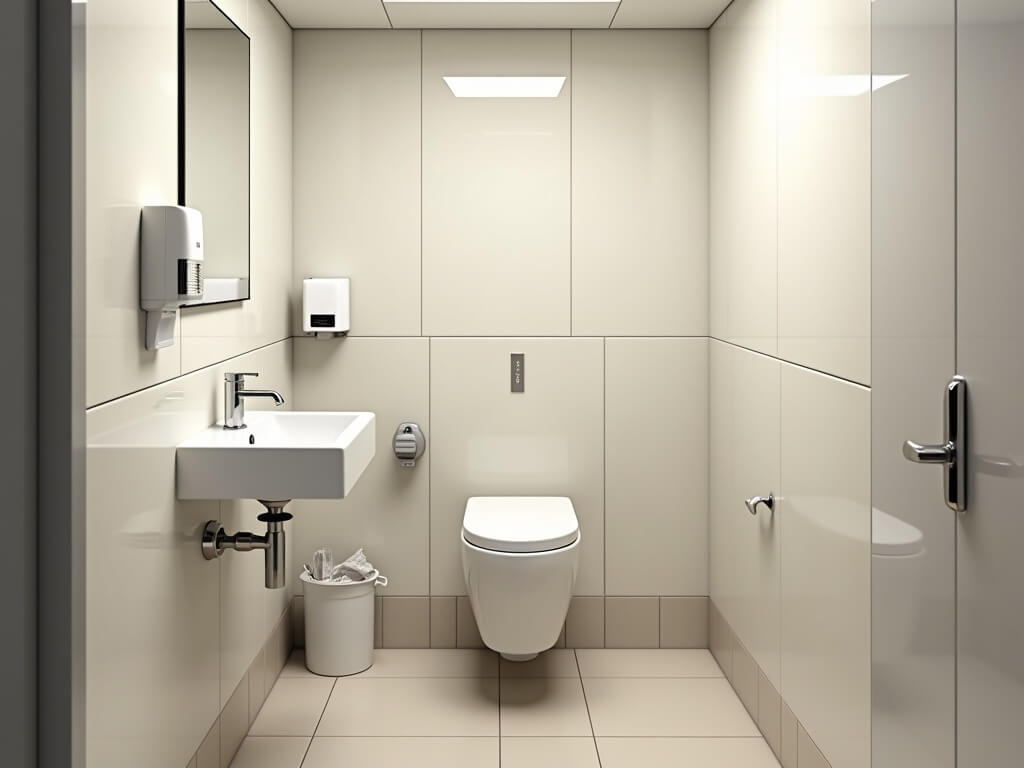
  • Daily scrubbing and sanitizing of toilets, sinks, and floors
  • Stock toilet paper, soap, and hand-drying methods—always
  • Proper ventilation (yes, OSHA requires this)
  • Regular audits to ensure nothing's being skipped

Spotless small office restroom post-cleaning, featuring a clean sink, toilet, empty trash bin, touchless dispensers for soap and paper towels, and a tidy tiled floor.

One of the worst calls I ever got was from an office whose bathroom had flooded because the trash bin was full and blocked the stall drainage. Cleaning had been “done,” but no one actually checked. That kind of chaos is 100% avoidable with the right checklist.

Kitchen & Pantry Cleaning

Old food and nasty microwave handles spark illness faster than you’d think.

Some rules:

  • Sanitize food-prep areas and sinks daily
  • Clean out expired food weekly
  • Use separate rags/supplies for kitchen and restroom (this is non-negotiable)
Entry & Lobby Areas

Want to make a solid first impression? Clean the spots customers see first.

Make sure:

  • Windows are smudge-free
  • Floors are dust-free
  • Tables and chairs look spotless
  • Hand sanitizer stations are full and functional

Bottom line: There’s no point in scrubbing a back office if the lobby screams “we gave up.”

The Framework: What Makes a Business Hygiene Program Work?

Here’s what we build into every professional-level hygiene plan:

  • A printed (and ideally digital) cleaning protocol listing tasks, products, and frequency per zone
  • Clear checklists checked with timestamps—not “daily wipe-down” assumptions
  • Supplies like tissues, hand sanitizer, antibacterial soap, and gloves in easy reach
  • Team training: Everyone should know what their responsibility is, from wiping down their desk to reporting an issue
  • Regular inspections and updates based on audit feedback

Pro insight: Allowing employees to contribute (not just custodians) builds a culture of hygiene. People will rise to the standard you set.

Key takeaway: Cleanliness shouldn't live in one employee’s inbox—it should live in your company DNA.

OSHA Standards Aren’t Optional (Even If You’re a 6-Person Office)

One of the top questions I get: “Do OSHA rules actually apply to small offices?”

Yep.

If you employ anyone—even just one person—you’re required to comply with OSHA’s sanitation and workplace cleanliness regulations.

You don’t need to be a warehouse or factory to be regulated.

Here’s what OSHA expects:
Clean and Orderly Workspaces (OSHA 1910.22)
  • Floors must be free from clutter, trash, or slip hazards
  • Pathways to exits can’t be blocked—this includes printer boxes or mop buckets
  • Visual mess = legal mess
Sanitary Restrooms (OSHA 1910.141)

Every office must:

  • Provide clean and regularly stocked restrooms
  • Offer running water, soap, and a hand-drying method
  • Ensure they’re cleaned on a set schedule
  • Include enough facilities for the number of employees (OSHA even has a ratio chart)
Safe Food & Water Conditions

Offices must ensure:

  • Access to clean, drinkable water via fountains, bottle stations, or bottled delivery
  • Food storage and prep areas are safe from pests or contamination
  • No employees are eating lunch next to stored chemicals (yes, we’ve seen that happen)
Handling Cleaners & Chemicals Safely

If your team uses any cleaning agents—bleach, sprays, disinfectants—you need to:

  • Follow OSHA’s Hazard Communication Standard
  • Store chemicals correctly (away from food and heat)
  • Provide proper PPE (personal protective equipment) like gloves and masks during use
  • Have Material Safety Data Sheets (MSDS) for all cleaning chemicals on-site
COVID-Era Disinfection Expectations

This one’s still here.

Businesses are expected to:

  • Disinfect high-touch surfaces several times per day
  • Use only EPA-approved disinfectants labeled effective against coronavirus and flu viruses
  • Keep rooms ventilated during and after use of these products (especially in winter)

Not doing this isn’t just lazy—it could be viewed as unsafe labor conditions if someone falls ill and files a claim.

Crucial Takeaway: OSHA doesn’t care how big your business is. If someone gets sick due to unsanitary conditions, you’re on the hook.

Let’s pause here.

We’ve tackled the unspoken truth about small office cleaning, why hygiene is bigger than aesthetics, and the OSHA rules people usually ignore—until someone files a complaint.

Now, let’s shift gears and dive into what actually gets results day to day: best practices, checklists, frequency tactics, and how to stay compliant without breaking your budget or flow. Keep reading.

Explore our commercial cleaning services and professional cleaning services to keep your office spotless, safe, and compliant.

Want a Cleaner Office? Stop Guessing and Start Scheduling

I can’t count how many times I’ve walked into a small business where they “clean daily,” but when I ask what that means, it’s vague at best.

Here’s the truth: if you don’t outline what gets cleaned, when, and how—then it probably doesn’t.

Cleaning isn’t about reacting to mess. It’s about having clear, consistent systems everyone can follow.

Let’s get into the actual mechanics of keeping your office in top-tier shape without burning out your team (or your wallet).

What Gets Cleaned—and How Often?

Every office should run on a layered cleaning frequency plan.

Think of it like a workout routine: daily maintenance, weekly strength training, and monthly deep dives.

Daily baseline (non-negotiables):
  • Dump trash bins (especially food areas)
  • Disinfect high-touch surfaces—phones, shared desks, microwave handles
  • Clean restrooms: toilets, sinks, and restock paper and soap
  • Straighten entry area, wipe down handrails, spot-check glass
  • Refresh kitchen: rinse out sinks, wipe counters, run dishwasher

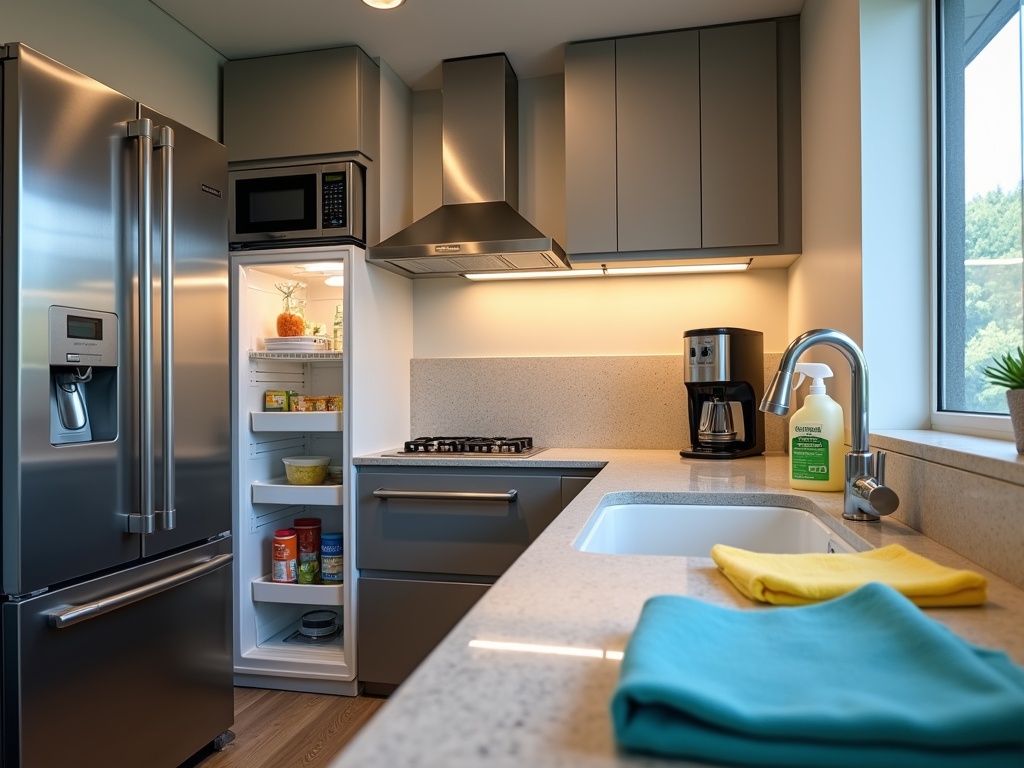
Modern, clean office breakroom kitchen with stainless steel appliances, organized fridge interior, pristine granite countertops, and neatly arranged cleaning supplies, shot in natural and LED light.

Weekly essentials:

  • Dust vents, baseboards, window sills
  • Sanitize inside breakroom appliances
  • Check for pest risks (food left out, crumbs in drawers)

Deep cleaning, every 30–60 days:

  • Shampoo carpets or mop under furniture
  • Clean window tracks and blinds
  • Disinfect fabric chairs or lounge surfaces
  • Clear out expired supplies hiding in closets

Key takeaway: Have a checklist for each frequency level—and assign it. A verbal “we’ll get to it” isn’t a cleaning strategy, it’s how biohazards happen.

Use The Right Tools, Or Waste Your Time

If you’re cleaning your office with just a half-dry rag and some dollar store spray, take a pause.

Tools matter.

Here’s what a basic pro-level toolkit should include:

  • EPA-approved disinfectant (look for EPA Reg. No.)
  • Microfiber cloths (color-coded to avoid cross-contamination)
  • Disposable gloves
  • Mop system (dry and wet heads)
  • HEPA vacuum cleaner
  • Glass cleaner (pro tip: vinegar-based formulas work wonders)

And remember: PPE isn’t optional.

Key takeaway: Good tools don’t just clean better—they protect people and reduce rework.

Thinking of Outsourcing? Read This First

A lot of small business owners think hiring a cleaning service is only for big offices or law firms. Nope.

Hiring a pro ensures compliance with OSHA Workplace Sanitation Standards, hygiene best practices, and liability protection.

Professional cleaners bring:
  • Regulation-compliant products
  • Trained cleaners who avoid cross-contamination
  • Customized cleaning plans
  • Clean logs and auditing systems

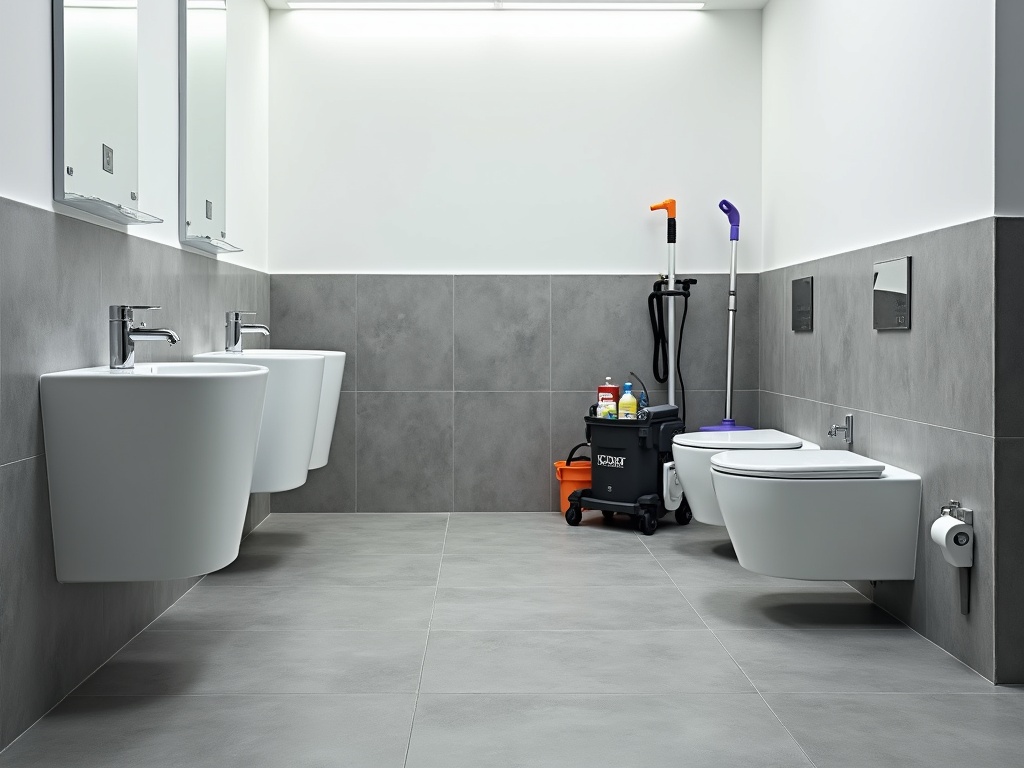
Immaculately clean, contemporary office restroom with white fixtures, gray ceramic flooring, marble-effect wall tiles and neatly organized cleaning supplies, captured in cool white lighting.

Working with a professional cleaning service means you stop worrying about whether the intern remembered to mop behind the trash bin.

Key takeaway: If you have employees, clients, or open beverages anywhere near office equipment… professional help is worth every cent.

Sick of Fighting the Same Cleaning Fails? Here’s Why It Keeps Happening

Even with a solid checklist, offices run into three recurring cleaning fails:

  1. No accountability: A name-and-initial log sheet solves this.
  2. Cross-contamination: Always use different cloths or disposable wipes per zone.
  3. Inconsistent supply stock: Restocking should be part of your cleaning routine.

Quick Fix:

  • Assign one person to oversee supplies weekly
  • Keep extras of soap, paper towels, disinfectant, and trash liners in a dedicated spot
  • Build a “restock alert” system—sticky note, Slack message, whatever works

Key takeaway: Systems beat good intentions—especially when it comes to hygiene.

FAQ Rapid-Fire (Because You’re Probably Still Wondering)

What if my office is part of a shared workspace?

  • Wipe your own desk daily
  • Use hand sanitizer stations
  • Encourage meeting room wipe-downs
  • Coordinate with building manager
  • Advocate for visible cleaning logs

Are eco-friendly cleaning products compliant?

If they’re EPA-approved—yes. Check the label against the EPA List N. Bonus: They improve air quality and reduce allergic reactions while keeping you OSHA-compliant.

How do I know if we’re meeting OSHA cleaning regulations?

Do an internal audit every quarter:

  • Are restrooms always stocked and cleaned?
  • Are MSDS sheets and PPE available?
  • Are walkways and exits clear?
  • Is drinking water clean?
  • Are cleaning tasks documented?

Want to automate this? Ask your cleaner to build a digital compliance checklist—many include this in onboarding.

Why does all this cleaning talk even matter?

Because cleaning impacts health outcomes, brand trust, and regulatory protection. Wait for a complaint? You’re already too late.

Looking Ahead: This Isn’t Just Mopping, It’s Maintenance for Your Business

Here’s what’s coming next:

  • More automation: UV light disinfectors, cleaning robots, smart dispensers
  • Built-in hygiene zones: Touch-free designs, airflow corridors, sanitation stations
  • Data-driven cleaning: Motion sensors and AI adjusting cleaning based on actual use

Sound far off? Maybe. But five years ago, door handle sanitizing wasn’t a thing. Now it’s standard.

Last Word: Clean Isn’t Cosmetic—It’s Strategic

Cleaning is never just cleaning.

It’s about:

  • Protecting health
  • Projecting brand excellence
  • Preventing liabilities
  • Saving money

Whether handling it in-house or hiring deep cleaning services, make your plan more than wiping a countertop.

Make it intentional. Documented. Part of your culture.

If you’re in the area and want help—schedule a walkthrough or ask your toughest questions.

We’re transparent, we charge $80/hour, and we know small office cleaning challenges inside and out.

Reach out at 253-449-6100 or sierrastoptobottomcleaning@gmail.com.

Because cleaning isn’t just about dust—it’s mission-critical.